
SUDEM is implemented by an international consortium of higher education, research, and technology organisations from Bulgaria, Germany, Ukraine, and the Netherlands, with AFAD (Türkiye) participating as an associated partner. Together, the consortium combines expertise in disaster management, remote sensing, artificial intelligence, Internet of Things (IoT), digitalisation, communication systems, resilience engineering, and higher education.
1. Space Research and Technology Institute, Bulgarian Academy of Sciences (SRTI-BAS), Bulgaria
Project Coordinator
The Space Research and Technology Institute of the Bulgarian Academy of Sciences (SRTI-BAS) coordinates the SUDEM project and leads its scientific, organisational, and strategic implementation. The institute contributes internationally recognised expertise in remote sensing, Earth observation, disaster monitoring, aerospace technologies, strategic foresight, and disaster management research.
Project Representatives
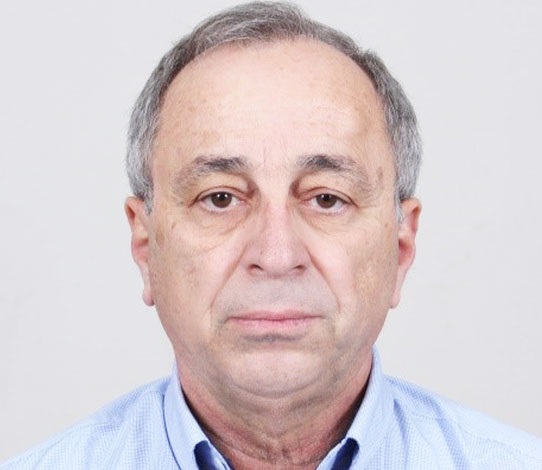 | Prof. Dr. Dimo Zafirov Project Coordinator of SRTI-BAS and expert in remote sensing, disaster management, strategic foresight, and aerospace technologies. Within SUDEM, he leads the project’s scientific coordination and contributes to disaster monitoring, drone technologies, systems architecture, and the development of innovative educational content. |
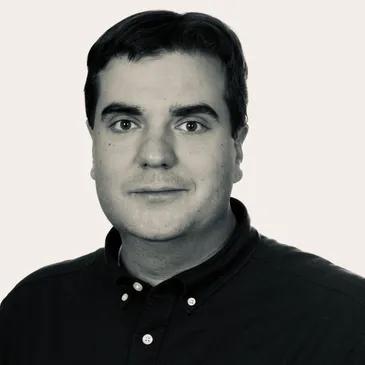 | Prof. Dr. Arch. Georgi P. Georgiev Expert in international project management, strategic planning, and interdisciplinary research cooperation. Within SUDEM, he coordinates international collaboration, project implementation, and supports the integration of innovation, foresight, and digital technologies into disaster management education. |
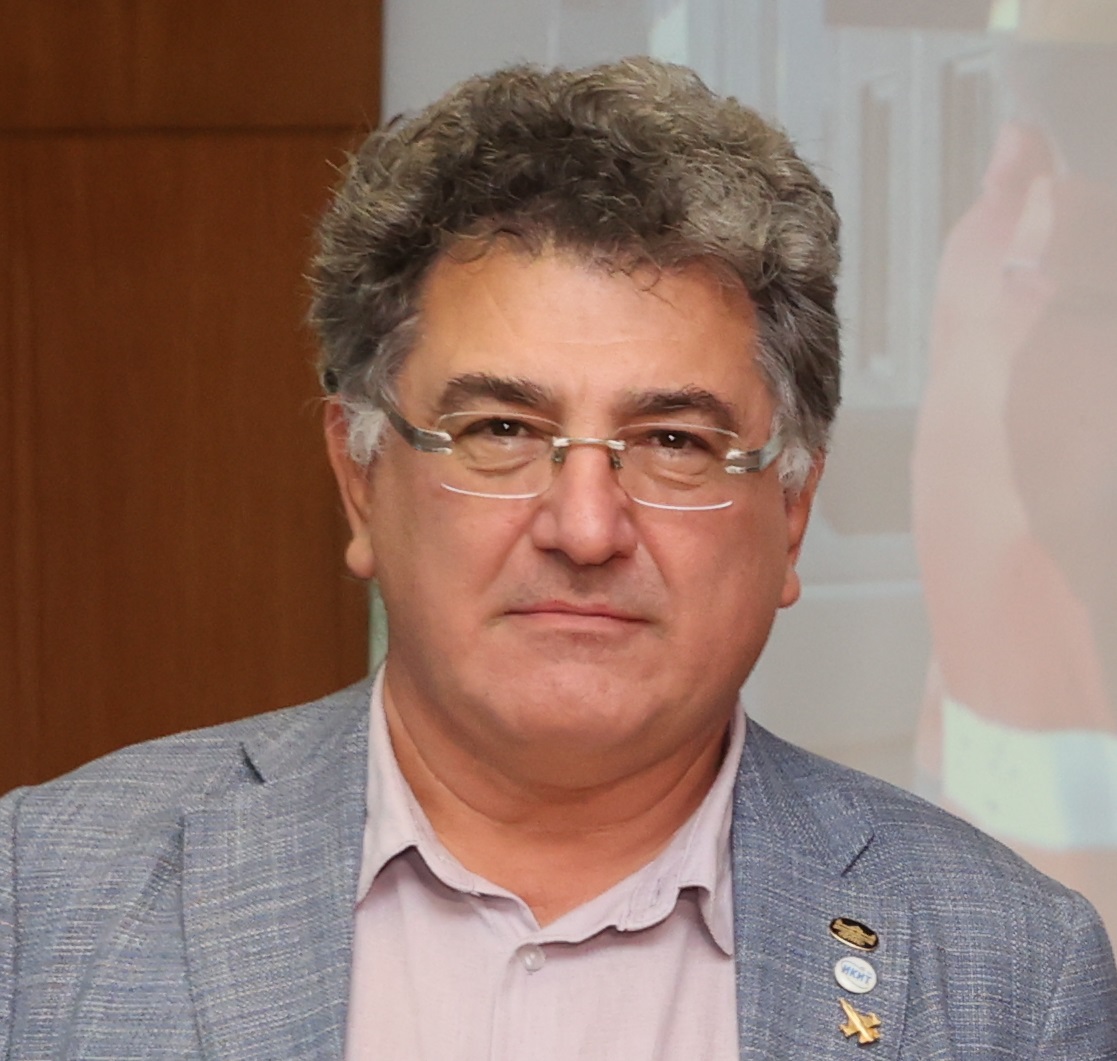 | Prof. Dr. Georgi Zhelev Expert in unmanned aerial systems, disaster monitoring, and digital technologies for emergency management. Within SUDEM, he contributes to the development of educational materials related to drone applications, remote sensing, and disaster risk assessment. |
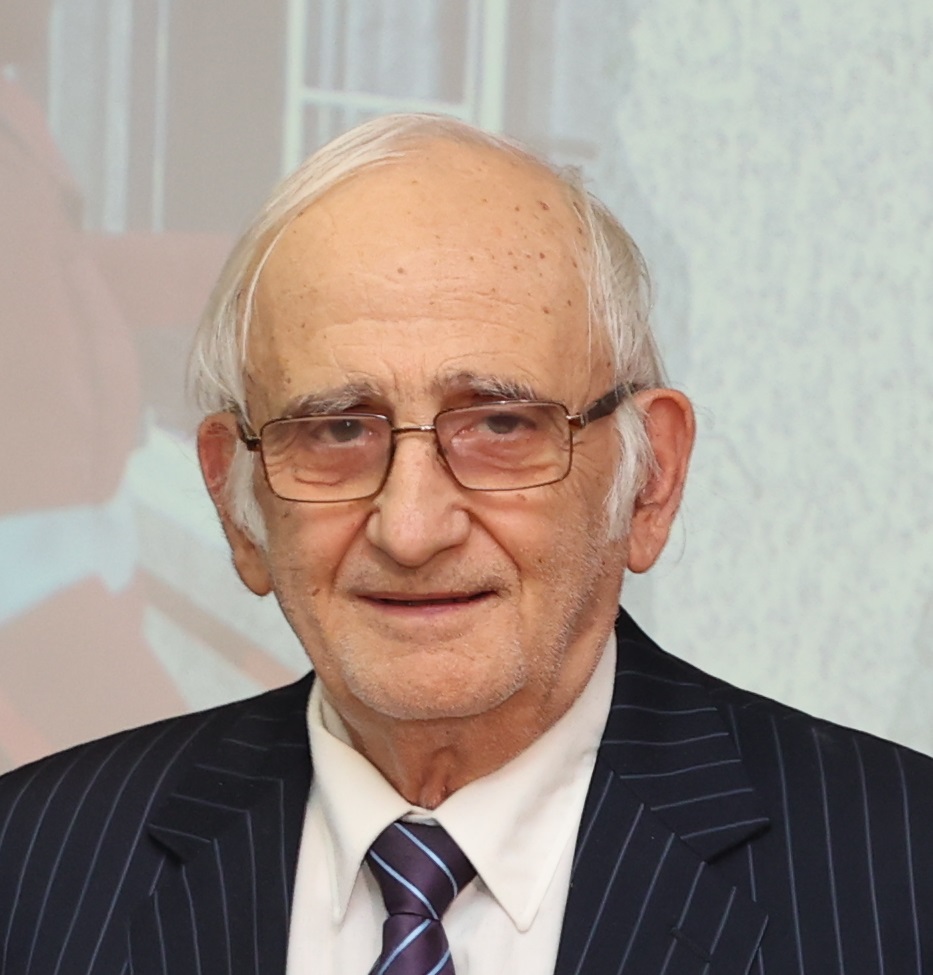 | Prof. Dr. Garo Mardirosian Expert in remote sensing, aerospace research, and risk analysis. Within SUDEM, he contributes expertise in Earth observation technologies, environmental monitoring, and disaster risk analysis, supporting the development of curriculum content and strategic foresight activities. |
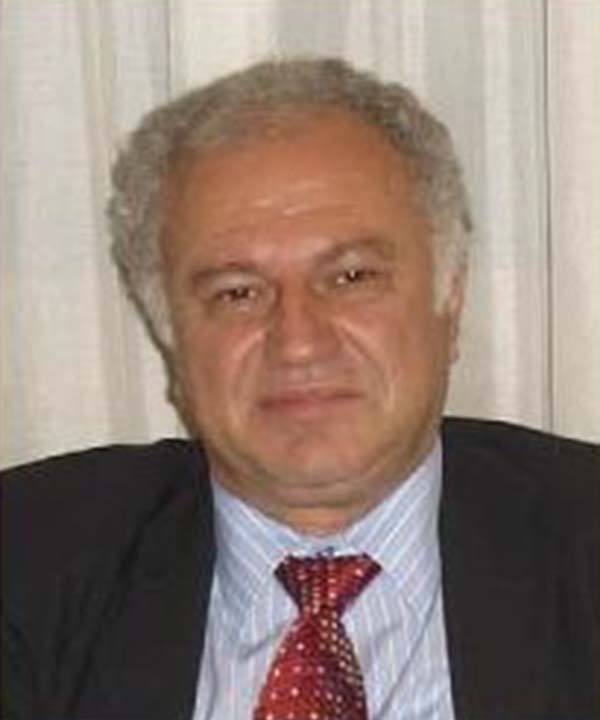 | Prof. Dr. Petar Getsov Expert in aerospace engineering, astronaut training, and defence and security projects. Within SUDEM, he contributes expertise in aerospace technologies, safety systems, and professional education supporting disaster management and emergency preparedness. |
Role in SUDEM
- overall project management and coordination;
- leadership of strategic foresight activities;
- coordination of curriculum development;
- support for Train-the-Trainers activities;
- integration of scientific and educational project outputs.
2. Hochschule Offenburg (HSO), Germany
Hochschule Offenburg contributes extensive expertise in embedded systems, Internet of Things (IoT), communication electronics, Industry 4.0, edge computing, and digital learning technologies. The university supports the technological foundation of the SUDEM curriculum.
Project Representative
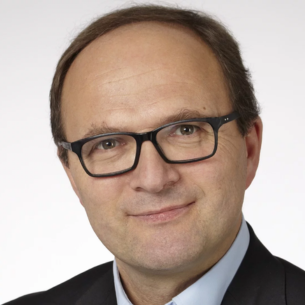 | Prof. Dr.-Ing. Axel Sikora Founder and Head of the Institute for Reliable Embedded Systems and Communication Electronics (ivESK) at Hochschule Offenburg. An internationally recognised expert in embedded systems, Internet of Things (IoT), wireless communications, edge computing, and digital transformation. Within SUDEM, he leads the development of educational modules on IoT technologies, embedded systems, and digital learning environments for disaster management. |
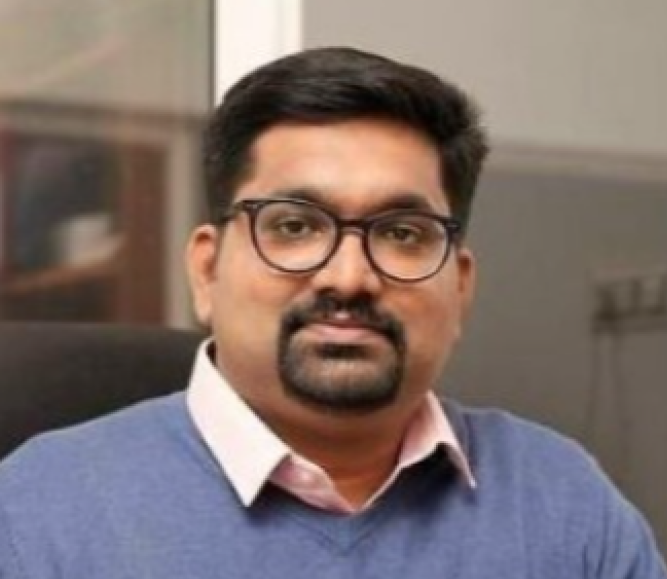 | Jubin Sebastian E Researcher and wireless communication specialist with expertise in IoT, 5G, Industry 4.0, and edge computing. Within SUDEM, he contributes to the development of IoT technologies, wireless communication solutions, sensor integration, and practical training activities for disaster monitoring applications. |
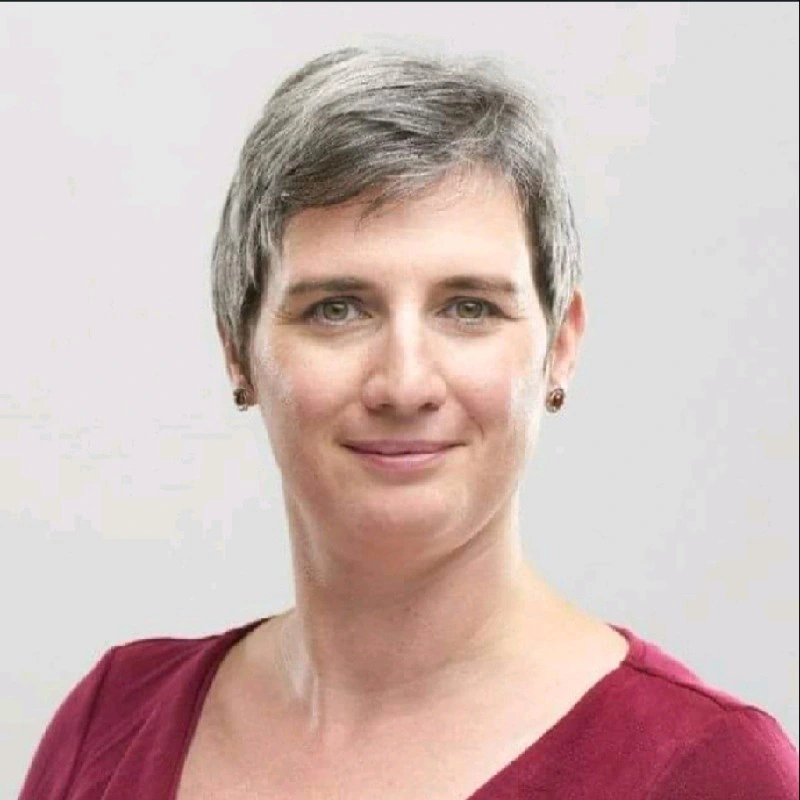 | Julia Junker International cooperation and project management specialist at the Institute for Reliable Embedded Systems and Communication Electronics (ivESK). Within SUDEM, she supports project coordination, international collaboration, academic exchange activities, and administrative management. |
Role in SUDEM
- contribution to the curriculum framework;
- development of the IoT course;
- leadership of the digital learning platform;
- development of the quality feedback environment;
- support for technology-enabled disaster management education.
3. West Ukrainian National University (WUNU), Ukraine
West Ukrainian National University contributes expertise in artificial intelligence, digitalisation, IoT, image processing, communication systems, educational technologies, dissemination, and system resilience. WUNU is also responsible for communication, dissemination, policy recommendations, and long-term sustainability of project results.
Project Representatives
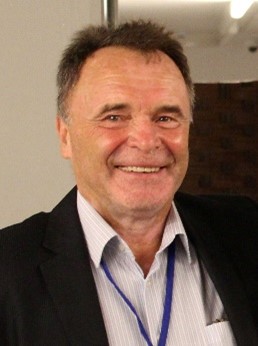 | Prof. Dr. Anatoliy Sachenko Scientific representative of WUNU within SUDEM and an internationally recognised expert in intelligent computer systems, IoT, wireless sensor networks, cybersecurity, and computational intelligence. He coordinates the WUNU team and contributes to the development of AI-supported disaster monitoring, sensor integration, digital technologies, and resilient disaster management systems. |
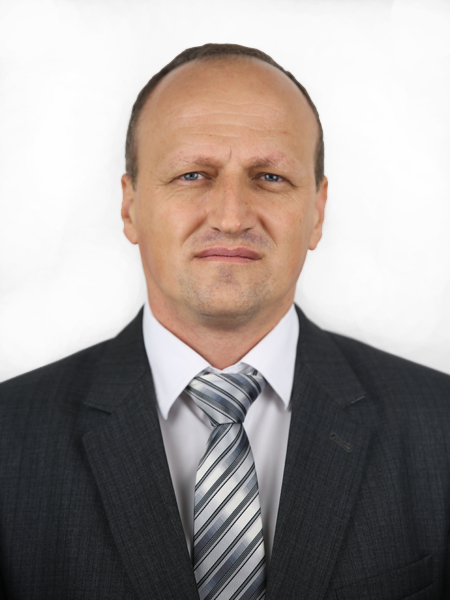 | Prof. Vasyl Yatskiv Head of the Department of Cyber Security at WUNU and expert in cybersecurity, IoT, wireless sensor networks, blockchain technologies, and distributed systems. Within SUDEM, he contributes to the development of educational materials related to cybersecurity, IoT technologies, and secure digital infrastructures for disaster management. |
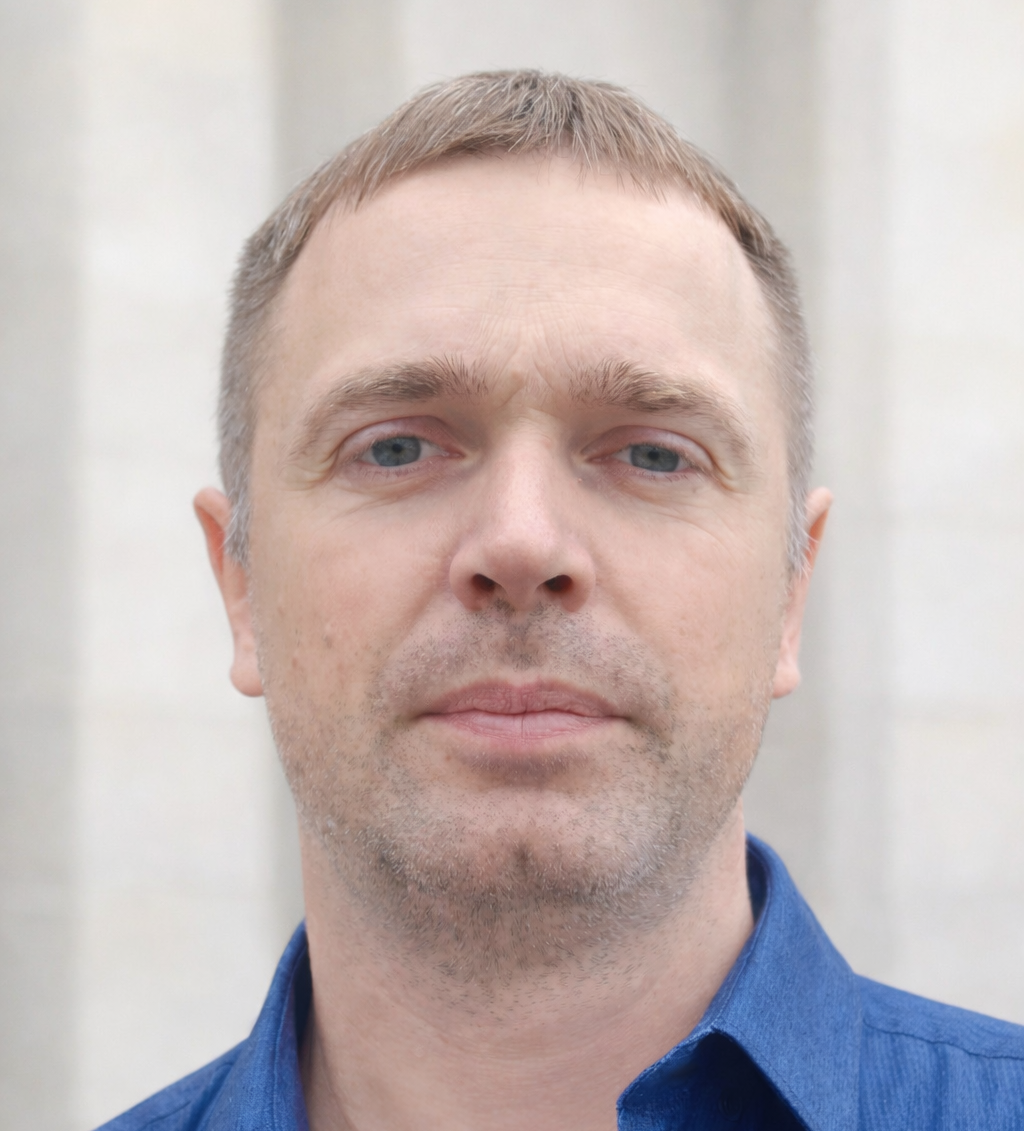 | Dr. Pavlo Bykovyy Expert in computer engineering, cybersecurity, and Internet of Things technologies. Within SUDEM, he leads Work Package 5 – Communication, Dissemination and Policy Recommendations, coordinates the project website and digital communication activities, and contributes to educational modules on IoT-based disaster monitoring and intelligent information systems. |
Role in SUDEM
- leadership of WP5 Communication, Dissemination and Policy Recommendations;
- development of IoT-based disaster monitoring modules;
- development of the System Resilience course;
- website development and maintenance;
- dissemination and public communication;
- support for long-term exploitation of project results.
4. Composite Information Technologies B.V. (CIT), the Netherlands
Composite Information Technologies (CIT) contributes advanced expertise in software engineering, artificial intelligence, digital innovation, data-driven decision support, and intelligent software systems.
Project Representative
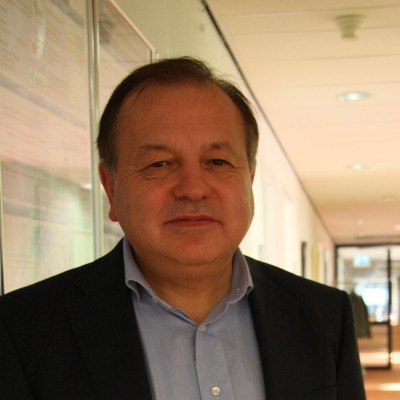 | Prof. Dr. Mehmet Aksit Founder of Composite Information Technologies B.V. (CIT) and internationally recognised expert in software engineering, artificial intelligence, IoT, digital transformation, and disaster management systems. Within SUDEM, he leads the development of educational modules on AI-supported disaster risk management, data-driven decision support, workflow automation, and multi-agent systems, while contributing to curriculum development and policy recommendations. |
Role in SUDEM
- development of Disaster Management Workflow modules;
- development of Data-Driven Decision Support;
- development of AI-supported Disaster Risk Management;
- development of Multi-Agent Decision-Making modules;
- contribution to policy recommendations.
5. Lviv State University of Life Safety (LULS), Ukraine
Lviv State University of Life Safety contributes practical expertise in emergency response, disaster preparedness, civil protection, professional safety education, and crisis management.
Project Representative
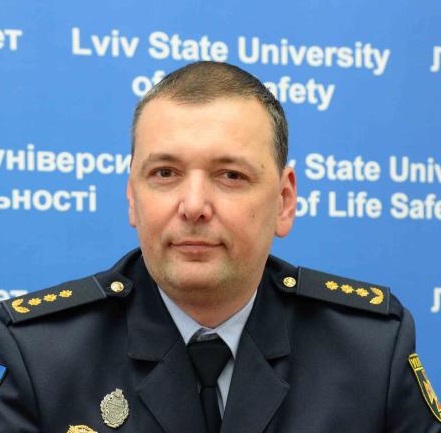 | Prof. Dr. Oleh Zachko Professor and Doctor of Technical Sciences, Honoured Worker of Science and Technology of Ukraine. An expert in safety management, disaster preparedness, and infrastructure project management. Within SUDEM, he contributes expertise in emergency management, civil protection, and nuclear and radiation safety, supporting the development and validation of educational materials for disaster management. |
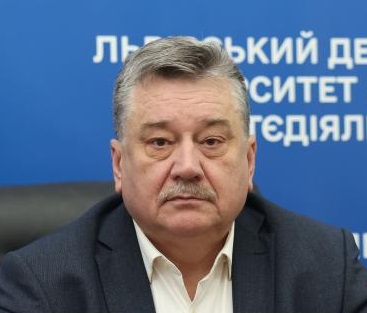 | Prof. Dr. Roman Ratushnyi Professor and Doctor of Technical Sciences specialising in territorial safety systems and portfolio-based project management. Within SUDEM, he contributes expertise in disaster resilience, safety management methodologies, and strategic approaches to the development of territorial disaster management systems. |
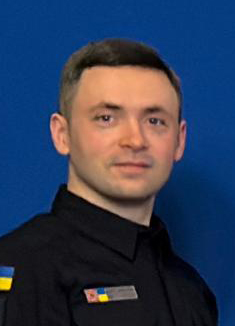 | Dr. Dmytro Kobylkin Associate Professor and PhD in Technical Sciences, specialising in safety project management and infrastructure development. An active participant in international academic mobility programmes, including Erasmus+. Within SUDEM, he contributes to the development of educational materials, practical training activities, and innovative approaches to disaster management, safety engineering, and infrastructure resilience. |
Role in SUDEM
- contribution to educational content;
- development of Nuclear and Radiation Safety modules;
- validation of project results;
- dissemination activities;
- support for testing educational materials.
Associated Partner
AFAD – Disaster and Emergency Management Authority, Türkiye
AFAD participates in SUDEM as an associated partner, providing practical expertise in national disaster preparedness, emergency response coordination, civil protection, and operational disaster management. The organisation contributes practical feedback for validating educational materials and ensuring their relevance to real-world emergency management.
 | Seher Turan PhD Researcher and Head of the Disaster Management Technologies Working Group at the Disaster and Emergency Management Authority (AFAD), Türkiye. Within SUDEM, she represents AFAD by contributing practical expertise in disaster management, emergency response coordination, digital transformation, and the application of innovative technologies for disaster risk reduction and integrated emergency management. |
Role in SUDEM
- consultation on disaster management practices;
- validation of educational materials;
- support for dissemination and stakeholder engagement;
- contribution to sustainability and practical relevance of project results.