SUDEM – Sustainable Disaster and Emergency Management Processes Digitization is an Erasmus+ KA220-HED project aimed at strengthening disaster and emergency management preparedness through digital transformation, innovative education, and interdisciplinary collaboration.
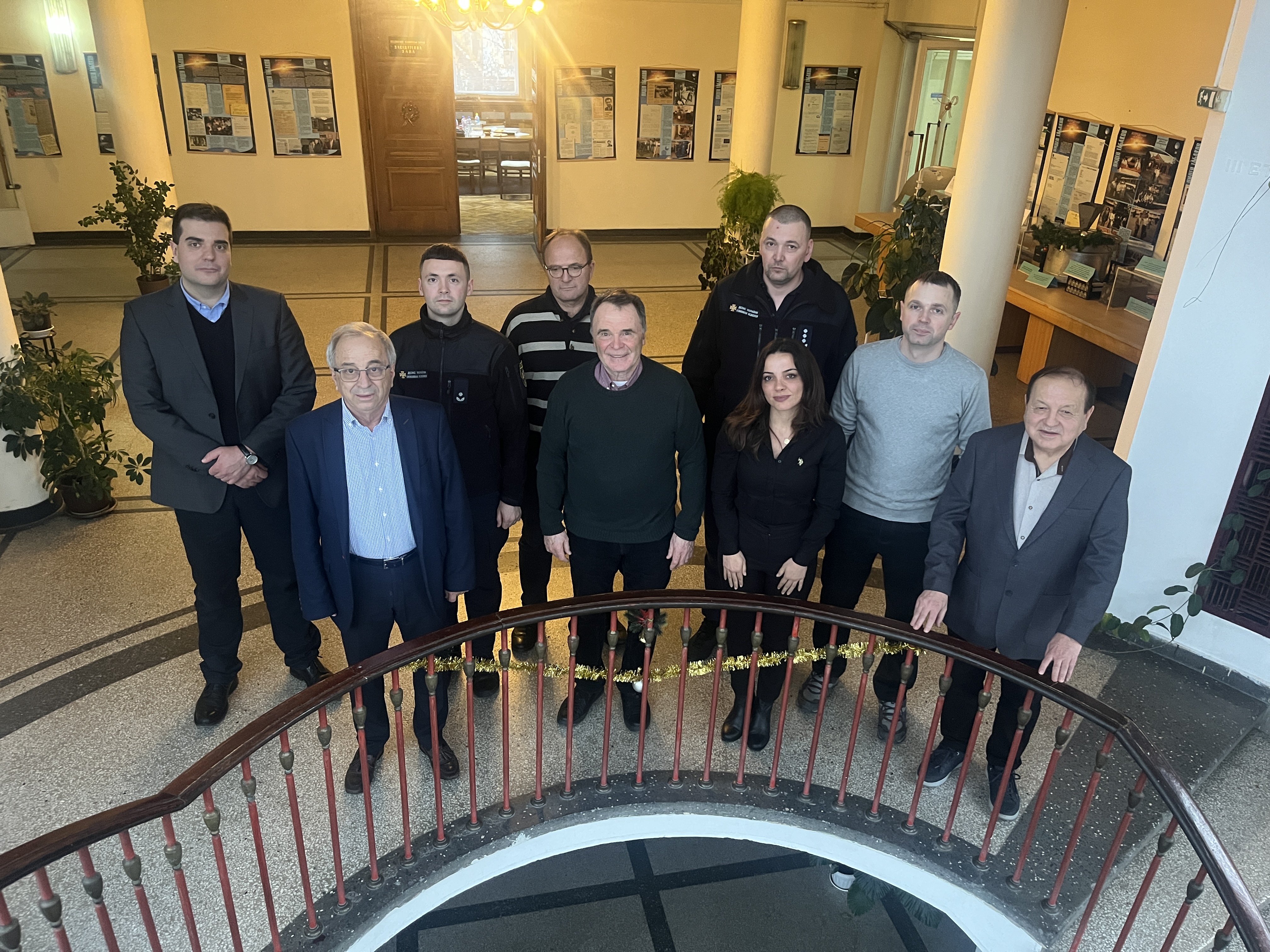
The SUDEM project brings together experts from universities, research institutes, and industry partners from Bulgaria, Germany, the Netherlands, Ukraine, and the associated partner AFAD (Türkiye). Through close international collaboration, the consortium develops innovative educational resources, digital learning tools, and research-based solutions supporting the digital transformation of disaster and emergency management.
The project addresses the increasing complexity of natural, technological, anthropogenic, and societal hazards affecting Europe and neighbouring regions. Floods, forest fires, earthquakes, warfare-related emergencies, risks to critical infrastructure, cultural heritage threats, and new technology-related dangers require a new generation of experts who can understand the full disaster lifecycle and use digital tools effectively.
SUDEM therefore develops a novel educational and knowledge transfer model that combines strategic foresight, curriculum development, digital learning, and policy-oriented dissemination. The project focuses on the digitalisation of the overall disaster and emergency handling lifecycle and integrates expertise in:
- disaster monitoring and management;
- risk assessment and mitigation;
- AI and data-driven decision-making;
- IoT and sensor-based monitoring;
- remote sensing, satellites, and drones;
- system resilience and digital communication infrastructures;
- multi-agent and multi-level decision support;
- higher education and lifelong learning methodologies.
The overarching goal of SUDEM is to contribute to the creation of a common European pool of well-prepared disaster management experts with a strong focus on digital tools and sustainable management processes. By improving knowledge transfer, educational accessibility, and technological preparedness, the project aims to support more effective prevention, preparedness, response, and recovery, and to reduce disaster-related losses in the long term.
The project was initially planned for 24 months and was later officially extended. The current project duration is 1 November 2023 – 30 April 2026.
Why SUDEM is needed
The SUDEM concept is based on the understanding that disaster management can no longer rely only on isolated procedures or static knowledge. It requires:
- live, automatically updated information;
- GIS-based situational awareness;
- ground sensors, satellites, and unmanned aerial systems;
- resilient communication and data-sharing mechanisms;
- decision-support systems capable of supporting emergency, infrastructure, and governmental actors in real time.
Sustainability
SUDEM is designed with a strong sustainability perspective. The project website, public outputs, and educational materials are intended to remain available beyond the funded period. The curriculum, digital platform, and knowledge transfer model are expected to support continued use in higher education, lifelong learning, and professional disaster management training.